
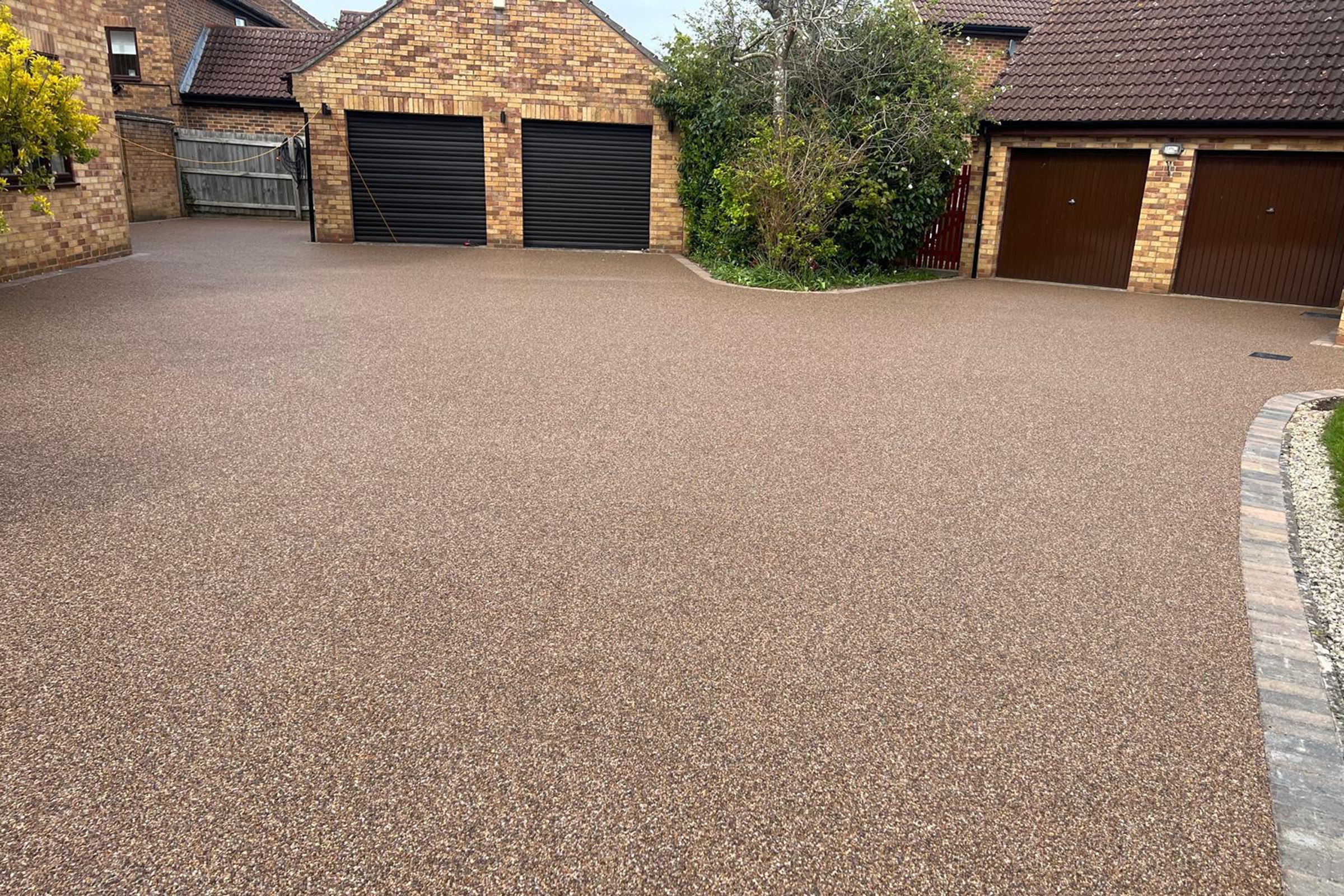
When comparing resin bound vs resin bonded surfacing, the main difference is how the resin and aggregate are combined. Both use resin to create a decorative stone finish, but their construction, permeability, appearance and installation methods differ.
Resin bound driveways are made by mixing aggregate with resin before laying the material to create a smooth, textured and generally permeable surface. Resin bonded surfacing is created by spreading resin over a prepared base and scattering loose aggregate across it, leaving a rougher finish with exposed stones.
Understanding these differences will help you choose the right surface for your property, whether you want a new driveway, garden path, patio or another outdoor area.
What is a resin bound driveway?
A resin bound driveway is created by mixing dried natural aggregate with a specialist resin binder. The mixture is then spread and levelled over a suitably prepared base to form a consistent finish.
Because the stones are mixed with resin before installation, the binder coats the aggregate and holds it together while leaving interconnected gaps between the particles. When correctly specified and installed over a suitable construction, these gaps allow water to drain through the surface.
Key features of resin bound surfacing
- Smooth, textured finish: the aggregate is held in place within a relatively even surface.
- Permeability: suitable resin bound systems allow rainwater to pass through the surface.
- Decorative flexibility: different aggregate sizes and colours can be combined to create bespoke designs.
- Versatility: suitable for driveways, paths, patios, steps and pool surrounds when the correct system is selected.
- Low routine maintenance: sweeping and occasional washing help keep the surface looking its best.
For more information about available finishes and installation options, visit our resin bound driveways page.
What is resin bonded surfacing?
Resin bonded surfacing is installed using a different method. First, resin is applied to a prepared base. Loose aggregate is then scattered over the wet resin, creating a textured surface with stones projecting from the binder.
Unlike resin bound surfacing, the aggregate is not mixed with the resin before application. The finished surface therefore has a more pronounced, loose-stone appearance, although the aggregate is bonded to the base by the resin.
Key features of resin bonded surfacing
- Textured finish: exposed stones create a rougher surface than a typical resin bound installation.
- Decorative appearance: aggregate colours can be selected to complement the property.
- Non-permeable finish: resin bonded surfacing generally does not provide the same permeability as a correctly installed resin bound system.
- Different installation method: resin is applied to the base before the aggregate is scattered over it.
- Potential for loose stone: some surface aggregate may become detached over time, depending on installation quality, use and wear.
Resin bonded surfacing may suit projects where a textured decorative finish is the priority, but its drainage characteristics and suitability for the intended use should be considered carefully.
Resin bonded surfacing has a more pronounced gravel-like texture because the stones remain exposed on the surface. This can create a traditional decorative appearance, but the finish is generally less uniform than resin bound surfacing
Resin bound vs resin bonded: the main differences
The following comparison summarises the key differences between the two systems.
- Installation: resin bound aggregate is mixed with resin before laying; resin bonded aggregate is scattered over resin already applied to the base.
- Finish: resin bound surfacing is generally smoother and more consistent, while resin bonded surfacing has a rougher, exposed-stone texture.
- Permeability: resin bound surfaces can be permeable; resin bonded surfaces are generally not permeable through the finished surface.
- Aggregate retention: resin bound aggregate is encapsulated within the mixture, while resin bonded aggregate is fixed to the resin-coated base.
- Design options: both offer decorative choices, although the appearance and finish differ.
- Maintenance: both need appropriate cleaning and care, with the specific requirements depending on the system and installation.
Permeability and drainage
Permeability is one of the most important considerations when choosing between resin bound and resin bonded surfacing, particularly for driveways and other areas exposed to rainfall.
Is resin bound surfacing permeable?
Yes. A properly installed permeable resin bound surface allows water to pass through the gaps between the aggregate particles. This can help reduce surface water and support effective rainwater management when the underlying construction is designed appropriately.
However, permeability depends on more than the visible surface. The base, sub-base, ground conditions and overall drainage design must all be suitable for the intended system.
Is resin bonded surfacing permeable?
Generally, no. Because resin is spread across the base and aggregate is scattered over it, the finished surface does not have the same interconnected void structure as permeable resin bound surfacing. Rainwater usually runs across the surface and must be managed through appropriate falls and drainage.
Resin bound driveways and SuDS
SuDS are designed to manage rainfall in a sustainable way. A suitably designed permeable resin bound driveway can form part of a SuDS approach by allowing rainwater to drain through the surface into an appropriate construction.
When comparing the options, consider:
- Whether water needs to drain through the surface or run towards a drainage point.
- Whether the existing ground and proposed sub-base are suitable for infiltration.
- How the driveway connects to surrounding paving, buildings and drainage systems.
- Whether local planning or drainage requirements affect the proposed installation.
Resin bound surfacing is not automatically suitable for every drainage situation. The complete installation must be designed to meet the site’s conditions and requirements.
Aesthetics: colour, texture and design
Both resin bound and resin bonded surfacing offer decorative finishes, but the way the aggregate is applied creates a noticeably different appearance.
Resin bound driveway colours and aggregate combinations
Resin bound driveways can be customised by combining different natural aggregates to complement a property’s brickwork, render, windows and landscaping. Blending stone colours can create subtle, natural finishes or more distinctive designs.
Popular design options include:
- Grey resin bound driveway: a contemporary look that can work well with modern homes and neutral exterior finishes.
- Golden and buff blends: warm stone tones that complement traditional brickwork and natural landscaping.
- Mixed aggregate colours: combinations of light and dark stones create depth and variation across the surface.
- Contrasting borders: a different aggregate blend can define the driveway edges or create a framed effect.
- Coordinated outdoor spaces: matching or complementary finishes can be used across driveways, paths and patios.
Because the aggregate is mixed with resin before installation, the finished surface has a more uniform appearance than resin bonded surfacing. The final colour and texture depend on the selected stone blend, aggregate size and resin system.
Resin bonded appearance
Resin bonded surfacing has a more pronounced gravel-like texture because the stones remain exposed on the surface. This can create a traditional decorative appearance, but the finish is generally less uniform than resin bound surfacing.
When choosing between the two, consider not just the stone colour but also the texture, comfort underfoot, intended use and how the surface will look alongside existing paving or garden features.
Installation: how do the methods differ?
Both systems need a suitable, stable base and careful preparation. However, the materials are applied in different ways, which affects the installation process and the finished result.
Resin bound driveway installation
- Prepare the base: check that the existing or new base is suitable, stable and appropriately drained.
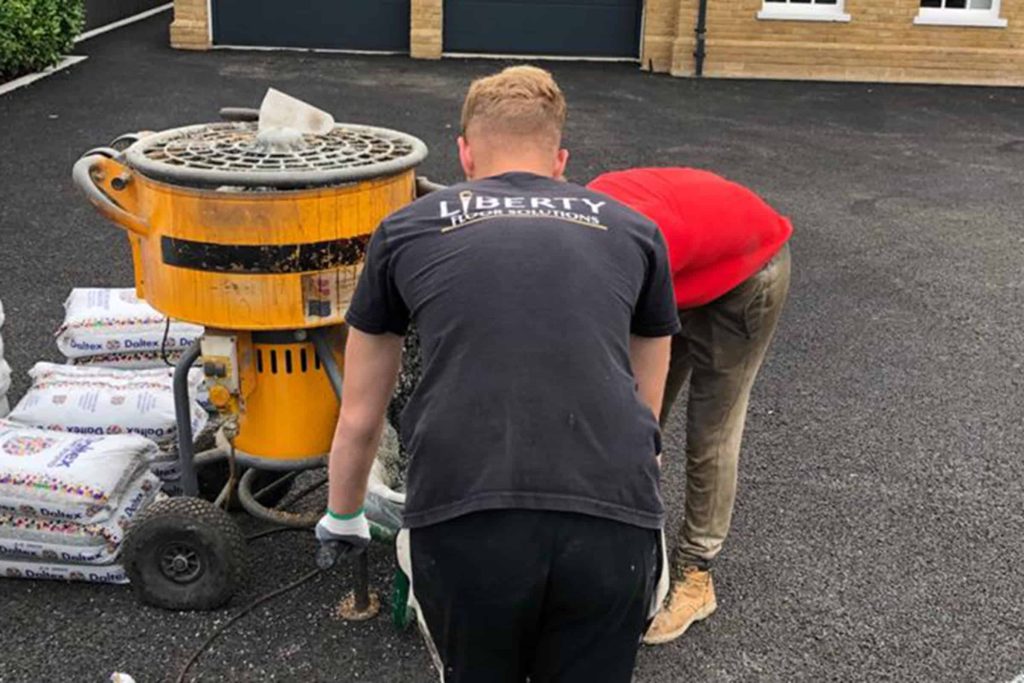
- Prepare the materials: dry aggregate and resin are measured and mixed thoroughly to achieve a consistent blend.
- Lay the mixture: the resin and aggregate mix is spread across the prepared surface.
- Level and finish: installers work the material to achieve a consistent thickness, texture and finish.
- Allow it to cure: the surface must be left undisturbed for the specified curing period before use.
Consistent mixing and skilled application are important for achieving an even finish and helping prevent weak spots, uneven colour and loose aggregate.
Resin bonded installation
- Prepare the base: ensure the surface is sound, clean and suitable for the resin system.
- Apply the resin: spread the binder evenly over the prepared area.
- Scatter the aggregate: distribute the loose stone over the wet resin to create the textured finish.
- Allow the resin to cure: follow the product instructions before removing excess aggregate or allowing traffic onto the surface.
- Inspect the finish: check coverage and bonding to ensure the installation is consistent.
Correct timing, aggregate coverage and resin application are essential. Poor preparation or application can affect the durability and appearance of either system.
What equipment is needed?
Although both systems use resin and aggregate, the installation methods require different equipment and handling techniques.
Equipment for resin bound surfacing
- Forced-action mixer: mixes resin and aggregate thoroughly and consistently.
- Preparation equipment: suitable tools and machinery to clean and prepare the base.
- Hand tools: trowels and other finishing tools to spread, level and smooth the mixture.
- Measuring equipment: helps ensure the correct proportions of resin and aggregate.
- Protective equipment: appropriate personal protective equipment for handling resin and carrying out installation work.
Equipment for resin bonded surfacing
- Resin application tools: equipment suitable for spreading the binder evenly over the base.
- Aggregate spreading equipment: tools for distributing loose stone across the wet resin.
- Preparation equipment: tools and machinery to prepare the base and remove contamination.
- Protective equipment: suitable protection for handling resin and aggregate.
The precise equipment depends on the chosen product, project size, site conditions and manufacturer’s instructions. Professional installation helps ensure that the materials are handled correctly and the finished surface meets the project’s requirements.
Which is better for a driveway?
For many homeowners, resin bound surfacing is the preferred option because it combines a decorative finish with the potential for permeability and a consistent texture. Resin bonded surfacing may be suitable where an exposed-stone finish is desired and surface drainage can be managed separately.
Choose resin bound if you want:
- A relatively smooth, consistent aggregate finish.
- A choice of blended stone colours and decorative borders.
- A permeable surface, subject to suitable design and construction.
- A finish that can also be used across paths, patios and other outdoor areas.
Consider resin bonded if you want:
- A rougher, exposed-stone appearance.
- A decorative finish applied by scattering aggregate onto resin.
- A system where permeability through the surface is not a primary requirement.
The best option depends on your property’s drainage, the condition of the base, the appearance you want and how the area will be used. If you are weighing up the wider benefits, read our guide to the pros and cons of resin driveways.
Other uses for resin bound surfacing
Resin bound materials are not limited to driveways. With the right specification and base, they can create a coordinated finish across several areas of a property.
- Resin bound pathways provide a decorative route through front gardens and outdoor spaces.
- Resin bound pool surrounds can create an attractive surface around a swimming pool when a suitable system is selected.
- Resin bound steps can help connect different levels of a garden or entrance.
- Resin bound patios offer a decorative alternative to some traditional paving finishes.
Using complementary aggregate blends across these areas can help create a consistent look throughout the property.
Resin bound driveway contractors in Northamptonshire and beyond
Liberty Driveways installs resin bound driveways and outdoor surfaces across Northamptonshire and surrounding areas. We work with customers looking for a practical, decorative finish that suits their property and requirements.
Find out more about our services in Northampton, Wellingborough, Kettering and Rushden.
We also cover Corby, Oundle, Bedford, Milton Keynes, Huntingdon, Leicester, Peterborough and Rugby.
Frequently asked questions
What is the main difference between resin bound and resin bonded?
Resin bound aggregate is mixed with resin before being laid, creating a consistent finish that can be permeable. Resin bonded surfacing is made by scattering aggregate over a layer of resin, producing a rougher finish that is generally not permeable.
Is resin bound better than resin bonded?
Neither system is best for every project. Resin bound is often preferred for driveways where permeability and a uniform finish are priorities. Resin bonded may suit decorative applications where an exposed-stone texture is wanted and drainage is addressed separately.
Can resin bonded surfacing help with rainwater drainage?
Resin bonded surfacing is generally not permeable through the finished surface. Drainage therefore needs to be managed through appropriate falls and drainage provisions.
Can resin bound aggregate be customised?
Yes. Different aggregate colours and sizes can be combined to create bespoke finishes, including grey blends, warmer stone colours and contrasting borders.
Can resin bound surfacing be installed over concrete?
It may be possible if the concrete is stable, suitable and properly prepared. The existing base must be assessed before installation. Read our guide, can you lay a resin driveway on concrete?
Choose the right resin surface for your property
When comparing resin bound vs resin bonded surfacing, focus on permeability, appearance, installation and the intended use of the area. Resin bound driveways offer a versatile combination of decorative aggregate and potential permeability, while resin bonded surfacing provides a more textured, exposed-stone finish.
To explore colours, finishes and installation options, visit our resin bound driveways page or contact Liberty Driveways to discuss your project.